New Author’s Website for Chris Mark September 24, 2025
Posted by Chris Mark in Uncategorized.Tags: abuse, Addiction, alcoholism, author, Chris Mark, dating, Marine Sniper
add a comment
After writing my 4th book I thought it may be time to actually get a website. You can check out all of my books here. I hope you enjoy! Take a look!

The Trap of Reactive Abuse: When Victims Become Perpetrators in the Eyes of Others September 20, 2025
Posted by Chris Mark in Uncategorized.Tags: abuse, Chris Mark, gaslighting, male domestic abuse, Mental Health, psychology, reactive abuse, relationships, trauma
add a comment
What is Reactive Abuse?
“Reactive abuse occurs when someone who has been abused begins to defend themselves by responding to abuse with physical and/or verbal attacks, says Alexa Connors, LMSW, a senior therapist at The Dorm, which offers intensive trauma therapy for young adults.”
“Baiting and Harvesting Cycle
Reactive abuse rarely occurs spontaneously but is often the result of deliberate provocation designed to elicit exactly this response. Skilled emotional abusers understand their victims’ triggers and systematically exploit them until the victim “breaks” in ways that can be documented and used against them (Durvasula, 2019; Simon, 2010).
This process, sometimes called “baiting and harvesting,” involves several calculated steps:
Strategic provocation: The abuser identifies the victim’s vulnerabilities, perhaps their love for their children, professional pride, or core values—and systematically attacks these areas. For male victims, this often involves sustained attacks on their masculinity, competence, or worth as partners or fathers (Morgan & Wells, 2016).
Escalation timing: Provocations are often timed to maximize their impact and the likelihood of an explosive response. Research by Bates (2020) found that abusers frequently escalated attacks when their male partners were already stressed from work, health issues, or other life pressures, making emotional regulation more difficult.
Documentation preparation: Many abusers ensure they have witnesses present or recording devices ready when they push their victims to the breaking point. Studies by McCarrick and colleagues (2016) documented cases where female abusers recorded their male partners’ angry responses while carefully editing out their own provocative behavior.
Narrative construction: Once the reactive abuse occurs, it becomes the central focus of the abuser’s story. The months or years of systematic mistreatment that led to the reaction are minimized or omitted entirely, creating a narrative where the victim appears to be the primary aggressor (Cook, 2009).”
If you are someone you know is in an abusive relationship, get help. They can be insidious and you may not realize until you are out. I didn’t.
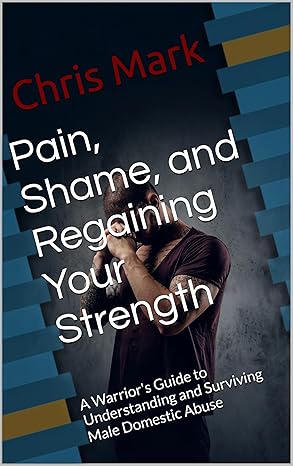
My latest Book: Pain, Shame, and Regaining your Strength. A Warriors Guide to Surviving Male Domestic Abuse September 12, 2025
Posted by Chris Mark in Uncategorized.Tags: Domestic Abuse, Domestic Violence, Male abuse, Surviving Domestic Abuse, Warriors
add a comment
I recently published a book on Amazon that was very difficult to write yet, I believe, very important. Pain, Shame, and Regaining your Strength. A Warrior’s Guide to Surviving Male Domestic Abuse.
Every day, millions of men suffer in silence—victims of domestic abuse who feel they have nowhere to turn. Society tells us that men can’t be victims, that they should “man up” and handle it themselves. But the reality is far different and far more devastating.
This eye-opening book reveals the shocking truth: approximately one in ten men experience domestic violence, yet most never report it. They face disbelief, mockery, and even blame when they do speak up. From psychological manipulation that makes them question their own sanity to physical violence they’re told doesn’t count, male victims endure the same trauma as female survivors—but with virtually no support.
Through real stories and research, this book exposes how abusers use shame, isolation, and society’s blindness to trap their male victims. It reveals the sophisticated tactics that keep men silent: gaslighting that destroys their sense of reality, threats to destroy their reputation, and a system that often treats them as perpetrators rather than victims.
But there’s hope. This book provides a roadmap for recognition, healing, and breaking free from abuse. It’s essential reading for any man questioning if what he’s experiencing is abuse, for loved ones who want to help, and for anyone committed to understanding the full truth about domestic violence.
No one deserves abuse—regardless of gender.

 Global Security, Privacy, & Risk Management