July 11th….US Marines and Pirates…a 200 year history! July 11, 2011
Posted by Chris Mark in Piracy & Maritime Security, Uncategorized.Tags: Chris Mark, InfoSec, Marines, Maritime Security, USMC
1 comment so far
On November 10th, 1775 in Tun’s Tavern, Philadelphia, PA. The United States Marines were born as the Continental Marines. With the Treaty of Paris, which ended the Revolutionary War on April 11th, 1783 Congress dissolved the Continental Marines and Continental Navy. On July 11th, 1798 US President John Adams signed “An Act for Establishing and Organizing a Marine Corps,” effectively creating a new branch of the military. The US Marines were born again! So what does this have to do with Pirates?? Read On!!
In 1794 the US (and European nations) was plagued by pirate attacks on merchant vessels traveling near what was then called the Pirate Coast. The Pirate coast consisted of Tunis, Algiers, and Tripoli. The pirates would hijack ships, take crews captive and then demand ransom. Many nations payed a tributes to keep their ships safe. As a new nation, the US was not in a position to pay tribute nor did they have an interest.
On October 3rd, 1803 the US Frigate Philadelphia and schooner Vixen (now that is a Ship’s name!) were ordered to Tripoli with whom the US had been at war over the piracy. The Philadelphia was run aground and the the ship’s crew captured by the Basha of Tripoli. The Philadelphia was captured and towed to the port of Tripoli. So, what do the Marines have to do with this?? Read On!!
In response, the US sent a contingent of Marines (7 to be exact) led by Lt. Presley O’bannon to overthrow the ruler of Tripoli and help re-establish the reign of Hamet Karamanli in what was to be known as the First Barbary War. This war marked the first time the US was to plant the flag of the new nation on foreign soil and was when the US Marines were presented with the Mamaluke Sword which, since 1825 has been a part of the US Marine Corps officer Uniform. The war also has been memorialized in the Marines hymn which starts: “From the halls of Montezuma to the shores of Tripoli…”
While piracy off the African Coast has seen a resurgence in recent years, the US, and specifically the US Marines have a long and storied history with piracy….
West African Pirate Attacks Mimic Those In GoA July 9, 2011
Posted by Chris Mark in Piracy & Maritime Security, Risk & Risk Management.Tags: Chris Mark, gulf of aden, InfoSec, Maritime Security, Piracy & Maritime Security, Somalia
add a comment
According to Bergen Risk Solutions, attacks off of the coast of Nigeria are beginning to resemble those off of the coast of Somalia in what some say is a disturbing trend. In June, 2011 there were five attacks alone. The pirates are opting against the traditional robbery and are instead adopting the Somali tactics of hijacking the ships and holding for ransom. The attacks demonstrate an increasing use of the Automated Ship Identification system (AIS) to target vessels as well as violence in their attacks. 1 person was killed in the attacks in June. Bergen Risk stated:
“Anecdotal evidence gathered in Nigeria confirms that the group has watched the modus operandi used by Somali pirates and has emulated their use of motherships.”
It added: “We find that most attacks are carried out in the hours of darkness, that pirates have no problems in carrying strikes up to 50 to 60 nautical miles from shore (but the vast majority of incidents are much closer to land) and that they have a very low threshold for using violence. Many crew members have been severely beaten and even shot during attacks.”
Tanker with Millions of Barrels of Oil Ablaze In GoA July 6, 2011
Posted by Chris Mark in Piracy & Maritime Security, weapons and tactics.Tags: armed security, Chris Mark, InfoSec, maritime piracy, Maritime Security, Piracy & Maritime Security
add a comment
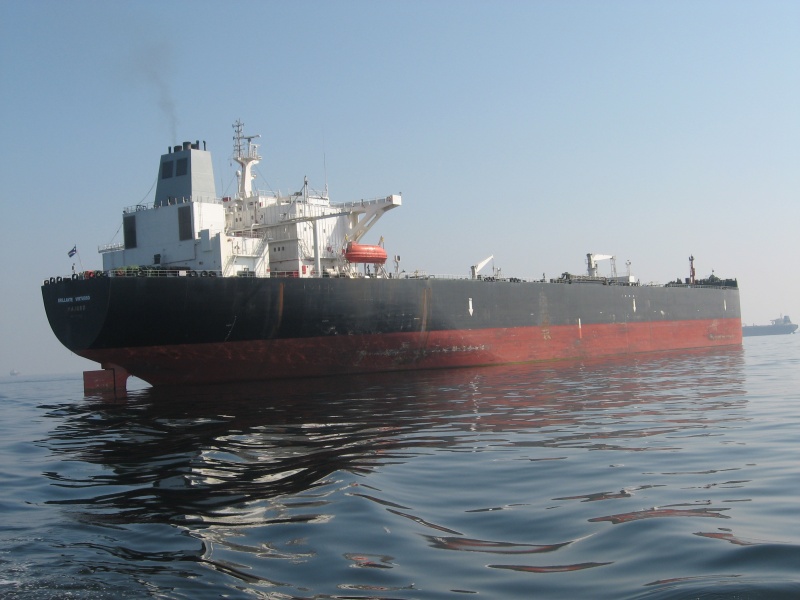 Bloomberg reports that an oil tanker was attacked approximately 20 miles from Aden and wet ablaze. The 274m Brillante Virtuoso was attacked by pirates in the Gulf of Aden and reported ablaze at 0037z. The 26 crew members are reported to be OK and the ship is currently being pulled by two tugs. The ship was attacked when approaching port to take on unarmed guards, it is reported.
Ship Hijacked and Ablaze in Gulf of Aden July 6, 2011
Posted by Chris Mark in Uncategorized.add a comment
Last night (July 6th) at 0023z the UKMTO and US Navy reported that an unidentified ship was attacked and was ablaze at the time of the report. The ship was hijacked and pirates were aboard the vessel. We will provide more information as it comes.
Pirate Ransom Payments going to Somali Militant Groups July 6, 2011
Posted by Chris Mark in Laws and Leglslation, Piracy & Maritime Security, Risk & Risk Management, weapons and tactics.Tags: Chris Mark, InfoSec, maritime piracy, Maritime Security, Piracy & Maritime Security, risk management
add a comment
According to John Steed, the principal military adviser to the U.N. special envoy to Somalia and head of the envoy’s counter-piracy unit, said links between armed pirate gangs and Somalia’s al Qaeda-affiliated rebels were gradually firming.
“The payment of ransoms just like any other funding activity, illegal or otherwise, is technically in breach of the Somalia sanctions regime if it makes the security situation in Somalia worse,” said Steed.
“Especially if it is ending up in the hands of terrorists or militia leaders — and we believe it is, some directly, some more indirectly,” said Steed, a retired military officer. For those who believe it is still all speculation, an Al Shabab representative confirmed the arrangement:
“If there was no relationship between us, there is no way the pirates would be able to operate, or carry their weapons within zones we control,” said an al Shabaab militant based in the pirate haven of Haradhere, north of Mogadishu.
Unfortunately, this means shipping companies may be in violation of international sanctions if they pay ransoms to the pirate groups. Under the terms of the arms embargo on Somalia, financial support to armed groups in the Horn of Africa country is banned. Both the United States and Britain regard al Shabaab as a terrorist organisation.
The best course of action for shipping companies is to ensure that their ships are adequately protected from takeover.

 Global Security, Privacy, & Risk Management