“Another BRIC in the Wall”; 2012- The Year of Internet Regulation? February 27, 2012
Posted by Chris Mark in InfoSec & Privacy, Laws and Leglslation.Tags: Chris Mark, cybersecurity, International Telecommunications Union, Internet Regulation, mark consulting group, privacy
add a comment
 The Internet started life in the 1960s as a project funded by DARPA known as ARPANET. ARPANET was decommissioned in 1990 and in 1995 NSFNET was decommissioned opening the network for commercial use. The Internet was officially born. The impact of the Internet on science, culture, and politics cannot be overstated. The Internet is a wordwide network of interconnected computers. It operates without a centralized governing body although ICANN and the DNS root changes are primarily governed by the US. The fact that the Internet allows for the free flow of information and that it is not ‘regulated’ in a conventional sense is what makes the Internet such powerful tool for science, revolution, politics, medicine, education and about every other aspect you can image, as well as such a threat to some.
On December 8th, 2011 FCC Commissioner Robert McDowell stated: The communications public policy effort that may affect all of us the most in 2012, however, will take place far from our shores. As we sit here today, scores of countries, including China, Russia and India (*the RIC in BRIC), are pushing hard for international regulation of Internet governance. While we have been focused on other important matters here in the U.S., the effort to radically reverse the long-standing international consensus to keep governments from regulating core functions of the Internet’s ecosystem has been gaining momentum. The reach, scope and seriousness of this effort are nothing short of massive. But don’t take my word for it. As Russian Prime Minister Vladimir Putin said last June, “the goal of this effort is to establish “international control over the Internet using the monitoring and supervisory capabilities of the International Telecommunications Union.” (more…)
“Caveat Emptor”- Facebook reading private text messages?! February 27, 2012
Posted by Chris Mark in InfoSec & Privacy, Laws and Leglslation.Tags: android, Chris Mark, cybersecurity, facebook, mark consulting group, markconsultinggroup.com, privacy, security
add a comment
 UPDATE: According to Facebook, this story was incorrect. To ensure the accuracy of my own reporting, here is their statement taken from MSNBC: “The Sunday Times has done some creative conspiracy theorizing but the suggestion that we’re secretly reading people’s texts is ridiculous. Instead, the permission is clearly disclosed on the app page in the Android marketplace and is in anticipation of new features that enable users to integrate Facebook features with their texts. However, other than some very limited testing, we haven’t launched anything so we’re not using the permission. If we do, it will be obvious to users what’s happening. We’ll keep you posted on our progress.” (more…)
Traveling Naked (digitally) to avoid Cyberespionage February 25, 2012
Posted by Chris Mark in InfoSec & Privacy, Risk & Risk Management.Tags: Chris Mark, cyberespionage, cybersecurity, data security, mark consulting group, new york times, security
1 comment so far
 There is a very good article written by Nichole Perlroth of the New York Times that discusses the dangers of cyberespionage. I have written this subject in this blog, as well. It is always interesting when you talk with people about cyberespionage and get the “brush off” or some comment about “james bond” and fantasy. Unfortunately, cyberespionage is very real, and very dangerous for companies. Intellectual property and trade secrets are in high demand for certain governments and competitors. As stated by top counterintelligence official, Joel F. Brenner: “If a company has significant intellectual property that the Chinese and Russians are interested in, and you go over there with mobile devices, your devices will get penetrated,” (more…)
GPS At Risk of Jamming… February 23, 2012
Posted by Chris Mark in InfoSec & Privacy, weapons and tactics.Tags: Chris Mark, GPS, jamming, mark consulting group, privacy, security
add a comment
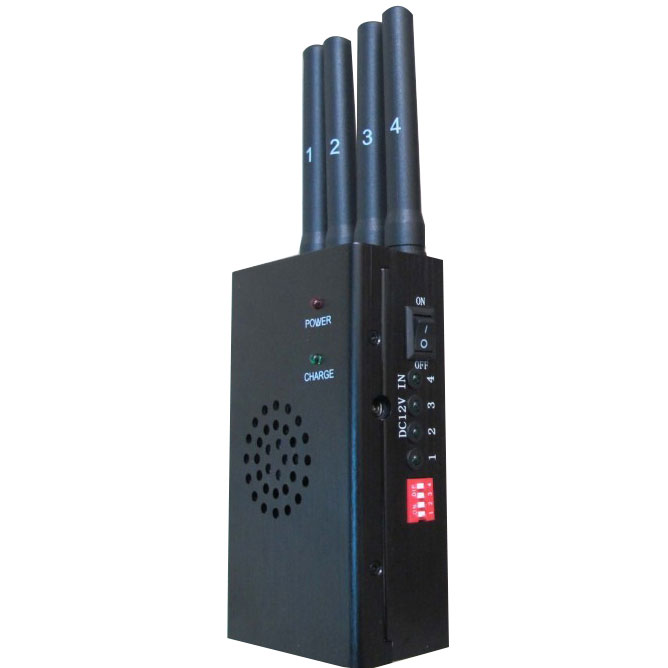 There is a good article on Foxnews about the risk of the GPS network. Our GPS network is a series of satellites that are geosynchronous orbit about 12,000 above Earth. Basically your GPS receiver receives a time code from three or more satellites and calculates the position by simple triangulation. The civilian satellites are ‘open’ and require not authentication and have no encryption although the military GPS can use encryption. According to Todd Humphries of the University of Texas: “The civil GPS signal’s completely open and vulnerable to a spoofing attack, because they have no authentication and no encryption,” … “It’s almost trivial to mimic those signals to imitate them and fool a GPS receiver into tracking your signals instead of the authentic ones.” If you consider how prevalent GPS has become it could clearly be a target for terrorists or others with bad intentions. In doing some basic research I found a number of GPS jammers on sale over the Internet for between $100US and $500US. It should be noted that GPS jammers are illegal in the US.
Security 101: “You don’t have to out run a bear…just your friends” February 22, 2012
Posted by Chris Mark in InfoSec & Privacy, Piracy & Maritime Security, Risk & Risk Management, weapons and tactics.Tags: armed security, arms race, Chris Mark, cybersecurity, InfoSec, Piracy & Maritime Security, risk, risk management, security
add a comment
 Yesterday MSNBC had a story that discussed the “arms race” between Somali pirates and shipping companies. The article discussed the increasing violence of the pirates. While this should come as no surprise to anyone, it is a single statement that caught my attention. “Greater use of private armed security guards on ships and a much tougher approach by international navies is beginning to work, some… say. (more…)

 Global Security, Privacy, & Risk Management