Somali Pirates using Blogs and GPS to Hunt Ships June 23, 2011
Posted by Chris Mark in InfoSec & Privacy, Piracy & Maritime Security, Risk & Risk Management.Tags: Chris Mark, InfoSec, InfoSec & Privacy, Maritime Security, operational security, Piracy & Maritime Security, privacy
add a comment
Consistent with industry expectations, Somali pirates are increasingly turning to high technology to hunt high-value ships. According to Techland, pirates are using GPS, as well as social media such as shipping company blogs to identify and hunt ships for attack. According to an article in Fast Company:
“In addition to random attacks on cargo and passenger ships, Somali pirates are increasingly relying on the use of GPS systems, satellite phones, and open-source intelligence such as shipping industry blogs in order to figure out the location of ships. Much of the technological infrastructure used by the pirates is allegedly located in the Somalian city of Eyl, which has been described as the ‘piracy capital of the world.’
It is paramount that shipping companies recognize the new threats and understand that the protection of vessels and their crews extend beyond physical security and armed guards. Ensuring that operational security processes are employed is as important, if not more important, than simply arming ships. A review of the maritime security industry show a distinct lack of expertise in information security.
Economics of Piracy June 20, 2011
Posted by Chris Mark in Piracy & Maritime Security.Tags: Chris Mark, InfoSec, Maritime Security, Piracy & Maritime Security, risk management
add a comment
Geopolicity published a very good study in May 2011 which surveys the earnings of pirates and analyzes the economics of the maritime piracy industry. While it is no surprise that piracy is increasing significantly off the coast of Somalia but the report articulates why it is growing at such a pace. With an estimated 1500-3000 pirates operating in the Somalian waters alone, attacks are increasing at a breakneck pace. In the first quarter of 2011, there were 117 identified attacks which resulted in 338 people being taken captive and 7 crew members killed. Average ransom paid was between $3.5 and $4.5 million US. According to the survey Somali pirates earn between $33,000 – $79,000 US per year with a potential lifetime earning of between $168,000 and $394,000. When compared to the US median income of roughly $34,000 per year, it seems like piracy pays well. When compared to the average per capita income of $500 per year in Somalia, it is easy to see why piracy is so attractive. The income earned by pirates is between 679% and 1,570% higher than the average Somalian. The report estimates that the current cost of piracy is between $4.3 and $8.5 billion per year increasing in 2014 to $13 and $15 billion per year. In short, it is a growth industry.
Cyprus to Legislate Allowing Armed Guards on Ships June 20, 2011
Posted by Chris Mark in Laws and Leglslation, Piracy & Maritime Security.Tags: Chris Mark, InfoSec, Maritime Security, Piracy & Maritime Security, security
add a comment
Cyprus is poised to become the first European country to legislate allowing guards on 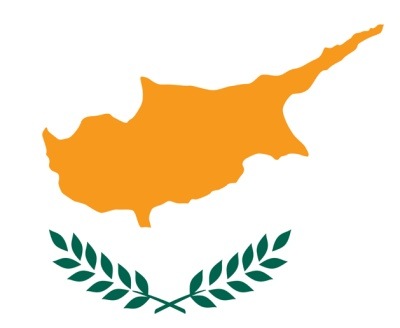 ships to fire on pirates to defend the ship. Recognizing the seriousness of the increasingly frequent and violent attacks on ships, Cyprus is preparing draft legislation which would allow ships sailing under the flag of Cyprus to use armed guards as part of the ships defense. The conditions under which the guards will be allowed to engage the pirat es will be strictly controlled under the law. “Guards will not be allowed to fire first,” said George Mouskas, president of the Cyprus Union of Shipowners. According to Mr Mouskas, the move to allow armed guards on board is primarily meant to be a deterrent as pirates largely avoid well-defended vessels. Tellingly, Mr. Mouskas states: “no ship that has armed guards on board has ever been taken by pirates, so it has been very effective,”
This marks a watershed moment in maritime security and makes a definitive statement that armed security is needed to protect ships and their crews from the increasingly violent attacks. The Cyprus government is to be applauded for their efforts and vision on this front.
Somalia Jails Brits & Americans Over Ransom Cash June 20, 2011
Posted by Chris Mark in Piracy & Maritime Security, Risk & Risk Management.Tags: Chris Mark, InfoSec, Maritime Security, Piracy & Maritime Security, security
add a comment
If the issue of piracy was not problematic enough, Somalia has just jailed six foreigners including three Britons and an American for bringing millions of dollars into Somalia to pay ransoms. The Somali courts sentenced the Brit and American to 15 years in prison and a $15,000 fine for carrying $3.6 million into Somalia on charges of illegally carrying money into the country to pay the ransoms and landing in Mogadishu without the correct papers. “We sentenced the two pilots, who are American and British nationals, to fifteen years imprisonment and a $15,000 fine each,” the Mogadishu court’s judge Hashi Elmi told Reuters late on Saturday. As one can imagine the aircraft and cash are now the property of Somalia’s government. This situation further highlights the challenges that shipping companies face with Somali piracy. It is clear from this situation that the “government” of Somalia is implicitly supporting the piracy if not explicitly supporting.
According to figures from the International Maritime Bureau, pirates took a record 1,181 hostages in 2010, seizing 53 ships, all but four taken by Somali pirates. “More people were taken hostage at sea in 2010 than in any year since records began,” the organisation’s annual report said.
German Ship Released after $5.7Million US Ransom Paid June 18, 2011
Posted by Chris Mark in Piracy & Maritime Security.Tags: Chris Mark, InfoSec, Piracy & Maritime Security, security
add a comment
According to a story in Reuters the Antigua and Barbuda-flagged Susan K, and with its crew of 10 Ukrainians and Filipinos, was released on Thursday after a ransom reported at $5.7 million US was paid to the Somali pirates. The ship had been held since April when their ship was hijacked by Somali pirates.
While some view piracy as a relatively benign act the pirates are increasing in their sophistication of attacks and violence against crews. Somali pirates are now braving summer storms and winter monsoons to attack vessels. In addition to physical and emotional abuse over months of captivity new reports suggest that captives are being press ganged into piracy groups and being forced to participate in attacks on vessels.

 Global Security, Privacy, & Risk Management