Somali Pirates attack another tanker in port of Salalah August 22, 2011
Posted by Chris Mark in Uncategorized.Tags: Chris Mark, gulf of aden, InfoSec, Maritime Security, Piracy & Maritime Security
add a comment
A day after pirate hijacked a ship while it was anchored in the port of Salalah a group attacked another chemical tanker in the same location. This ship was able to avoid capture however. As stated by the IMB:
“Pirates in a skiff chased and fired upon a chemical tanker,”…”The pirates made several attempts to board the tanker and finally aborted the attack due to the evasive maneuvers made by the tanker.”
Somali Pirates hijack vessel while at anchor! August 21, 2011
Posted by Chris Mark in Uncategorized.Tags: armed security, Chris Mark, gulf of aden, gulf of aden security, InfoSec, Maritime Security, somali pirates, Somalia
1 comment so far
In what is being described as the first attack of its kind and the most brazen attack yet, Somali pirates hijacked the chemical tanker MV Fairchem Bogey with a crew of 20 Indians and flagged in the Marshall Islands.
She was taken at anchor off Port Salalah, Oman. Boarded at 0530 and forced to heave up and steam toward Somalia. An Omani warship fired across the bow but the Master was forced to call the managers and tell them that the pirates were prepared to kill the crew, all lined up on the bridge, if the pursuit was not called off. The warship shadowed the vessel until out of Omani territorial waters.
This brazen attack demonstrates the tactics used by pirates will evolve and become more sophisticated over time. This year alone there have been many firsts; attacks in the Red Sea, vessels hijacked during Monsoon season, not releasing crews after ransoms were paid and now hijacking vessels while anchored at port.
“Swarming Attacks” suggest new pirate tactics August 19, 2011
Posted by Chris Mark in Uncategorized.Tags: Chris Mark, gulf of aden, InfoSec, maritime piracy, Maritime Security, Piracy & Maritime Security, somali pirates, Somalia
add a comment
On August 7th, 2011 IMB reported an attack on a ship in the Red Sea in which it appeared that pirates were banding together and ‘swarming’ to attack vessels. This wolfpack type attack was brushed off by some in the security industry. On August 18th, 2011 the IMB live reporting system reported another such attack. In this attempted hijacking 7 high speed boats filled with 3-5 men, each armed with automatic swarmed a ship in an attempt to hijack the vessel. As this attack was only 27km from the previous attack the implication is that pirate groups may be operating in distinct areas.
On a more fundamental level this new type should not come as a surprise. Security and risk theory holds that as long as the the perceived payoff exceeds the perceived risk, criminals will continue to attempt to circumvent controls. As controls change, criminal tactics will change in response. Given that the average ransom paid exceeded $3 million in 2010 it is not expected that pirates will give up their attempts at hijackings for farming any time soon. Shipping companies would be well advised to consider that pirate attacks will continue to increase in violence and tactics will continue to evolve in response to security controls being employed.
Somali Pirates release Maltese Bulk Carrier August 15, 2011
Posted by Chris Mark in Piracy & Maritime Security.Tags: Chris Mark, Maritime Security, Piracy & Maritime Security, somali pirates, Somalia
add a comment
So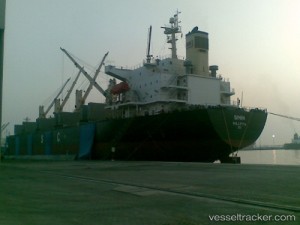 mali pirates released 52,466-tonne vessel MV Sinin along with its crew of 22 — 12 Iranians and 10 Indians after ransom was paid for the ship. The ship had been hijacked in February, 2011. According to U.S. think-tank One Earth Foundation, the average ransom per ship in 2005 was $150,000. By 2010, it had jumped to an average of $5.4 million per ship, with large cargo vessels and oil tankers a popular targets.
Piracy Costs World Economy $12 Billion US August 12, 2011
Posted by Chris Mark in Piracy & Maritime Security.Tags: Chris Mark, Maritime Security, Piracy & Maritime Security, somali pirates, Somalia
1 comment so far
It is no secret that maritime piracy is a growing problem. Pirate attacks are increasing in violence and frequency and it is taking an economic toll. In 2009 an estimated $177 million was paid in ransom to pirates and in 2010 the estimate is that ransoms had grown to $240 million. According to the IMO there were 489 reports of attacks, armed robberies and attempted attacks in 2010. This represented a 20% increase over 2009. The increasing costs of insurance premiums, anti-piracy security and other aspects are estimated to have an overall impact to the world economy of between $7 and $12 billion US. Adding to the challenges is the increasingly frequent attacks on the West Coast of Africa. According to the IMO there were 18 reported attacks off the coast of Nigeria in the first half of 2011. While the numbers don’t rival those of Somalia, it is suspected that many attacks go unreported as a larger percentage of ships are carrying illegal oil and other cargo. London-based Lloyd’s Market Association, an umbrella group of insurers, earlier this month listed Nigeria, neighbouring Benin and nearby waters in the same risk category as Somalia.

 Global Security, Privacy, & Risk Management